Celebration of
The 81st National Liberation Day of Korea
in SF City Hall
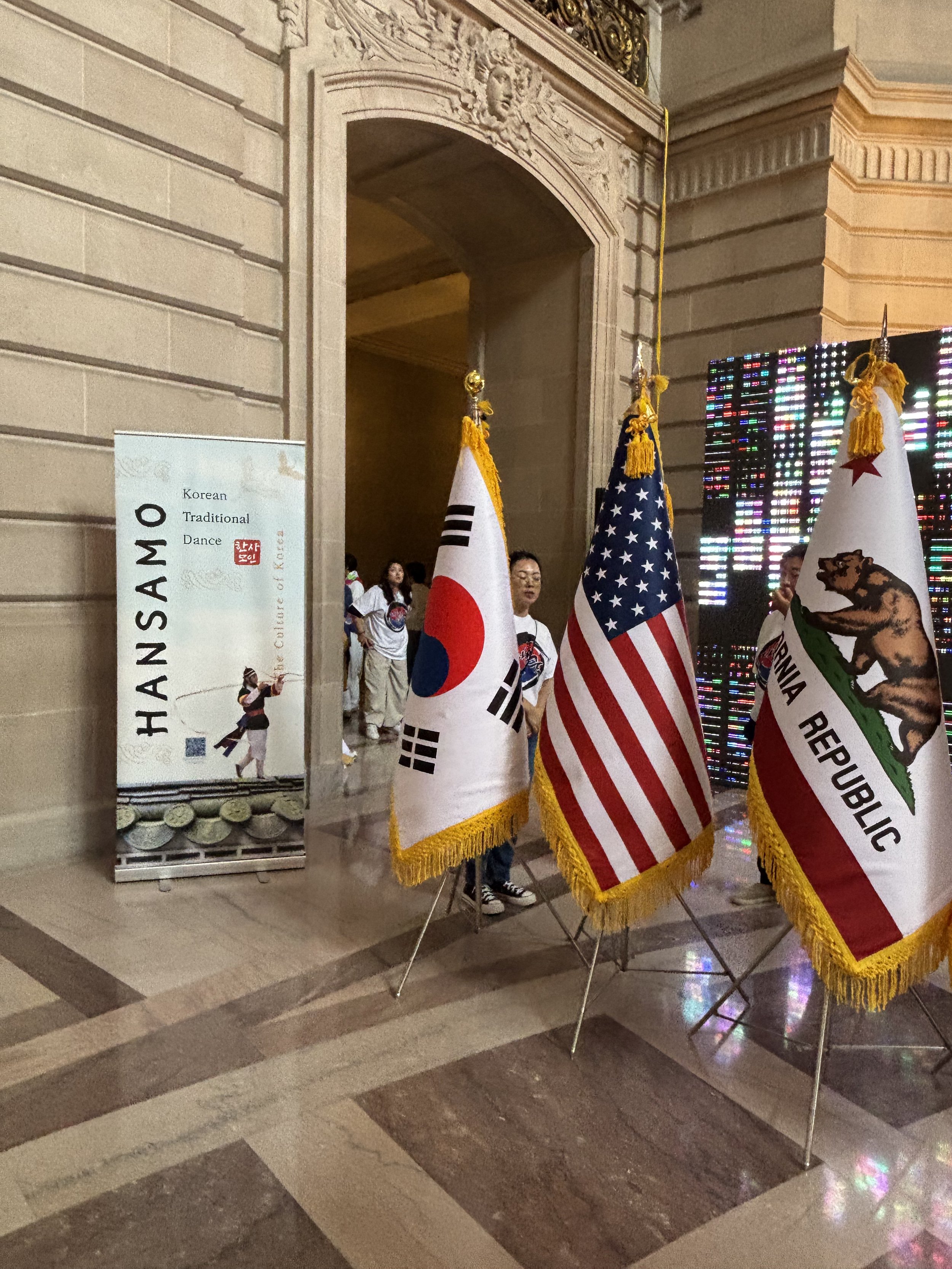
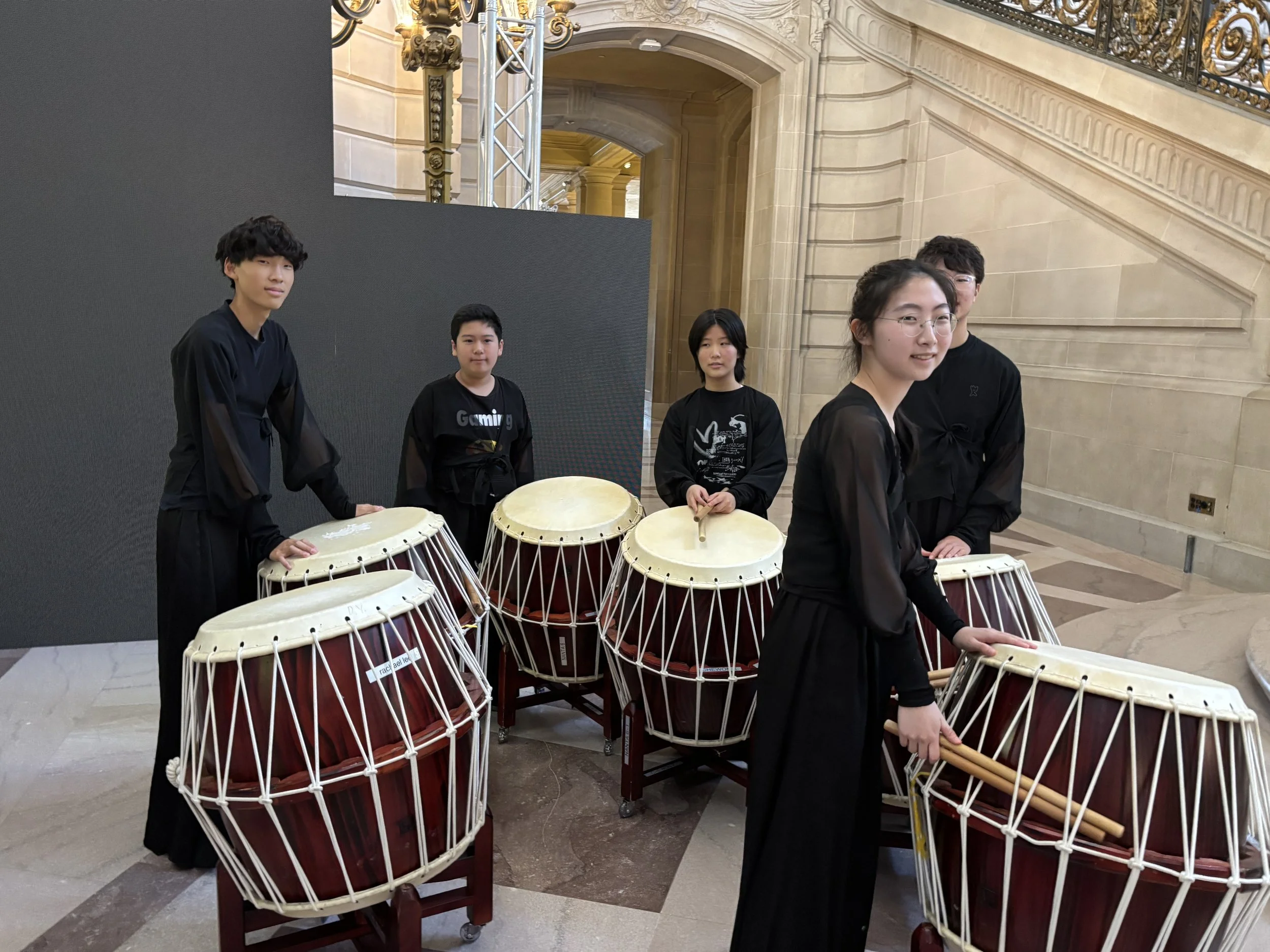
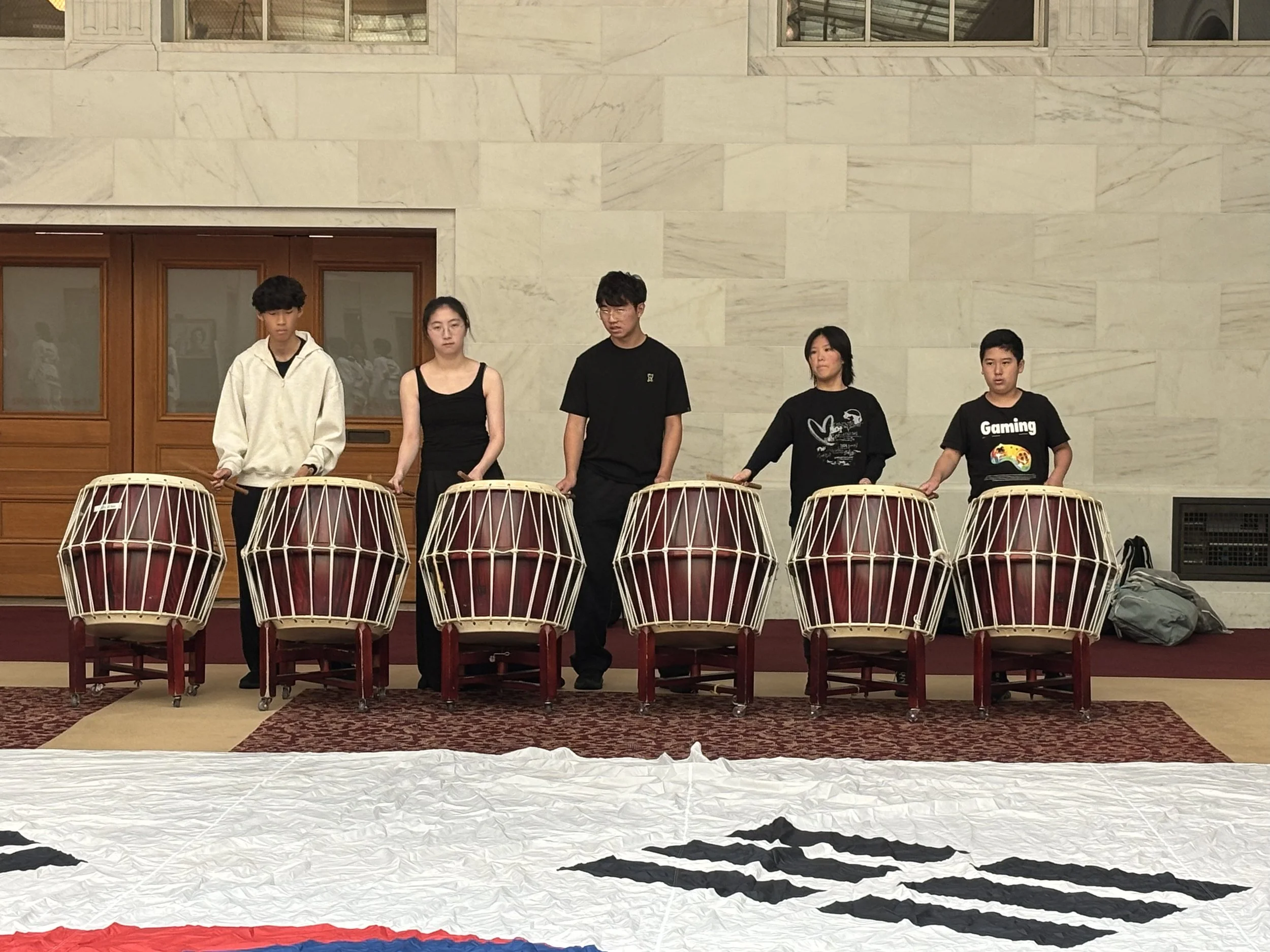
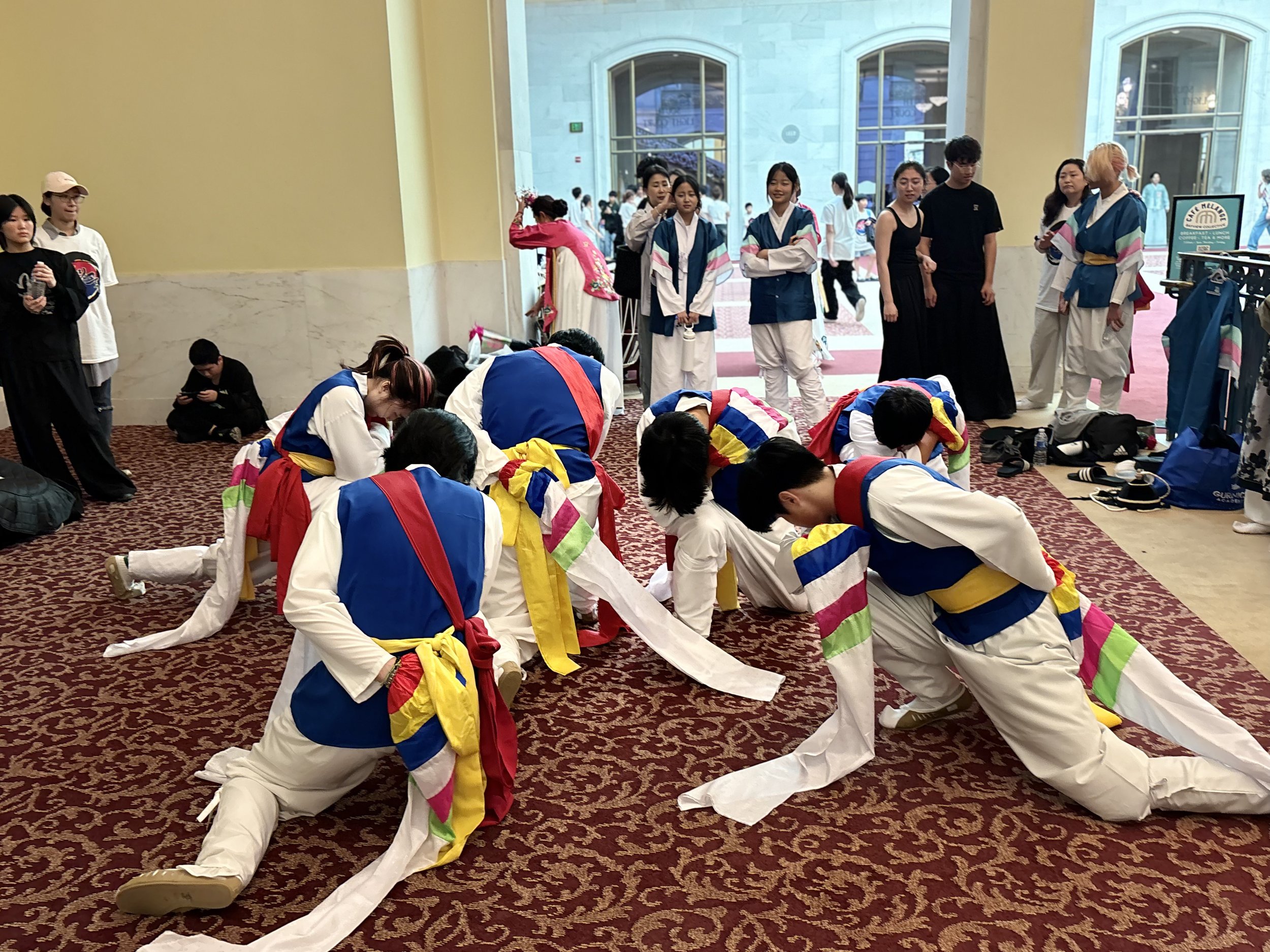
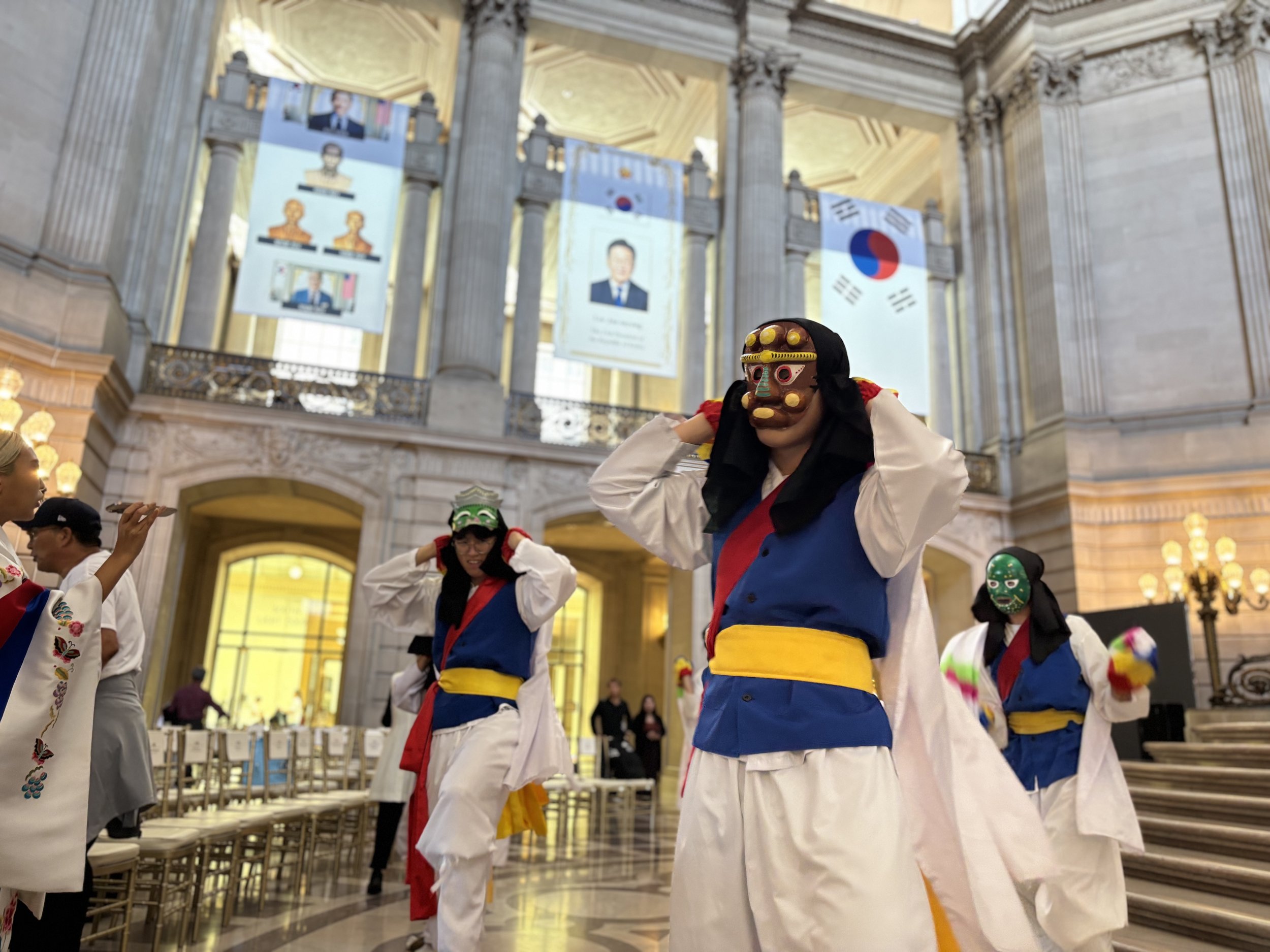
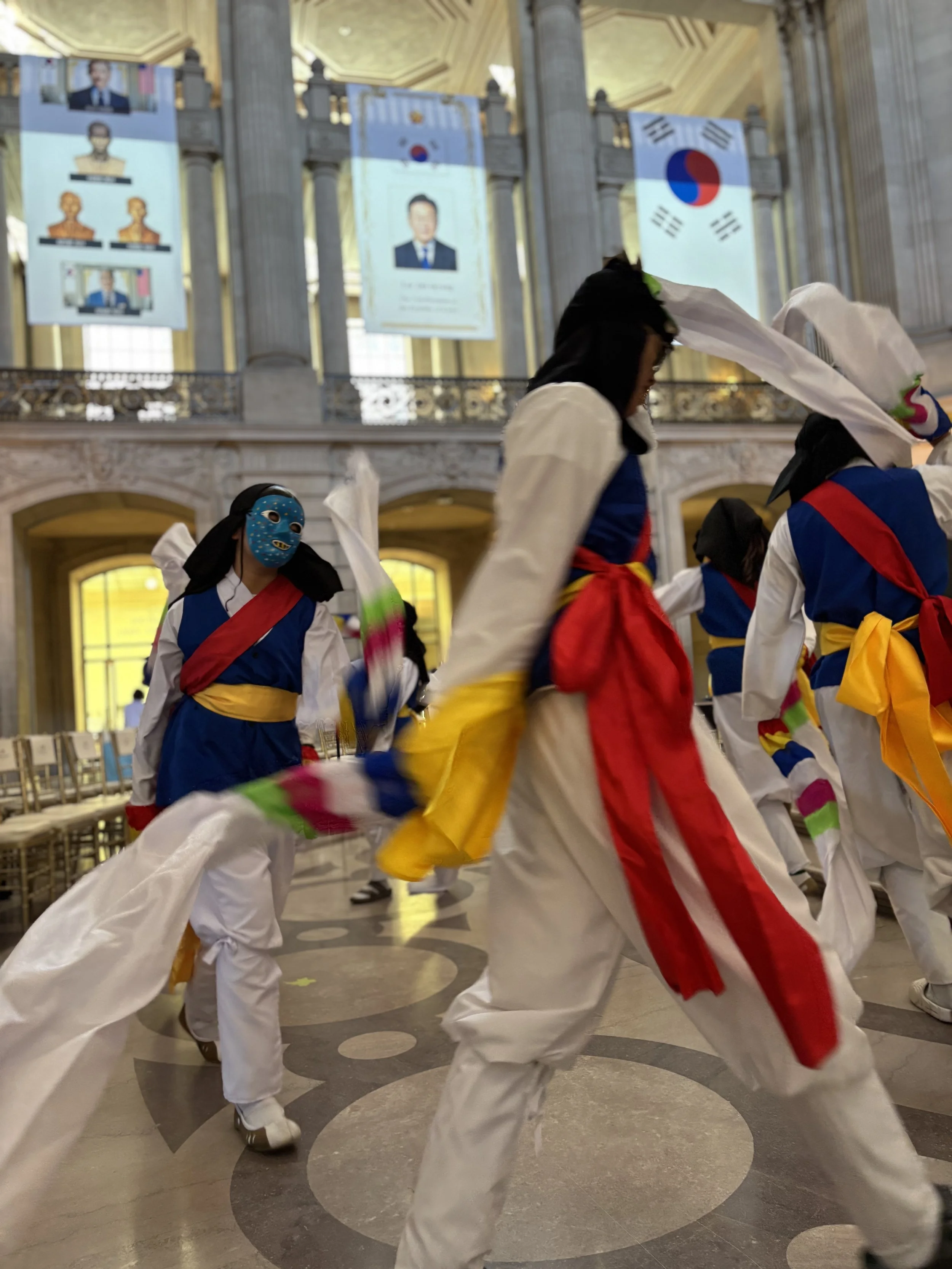
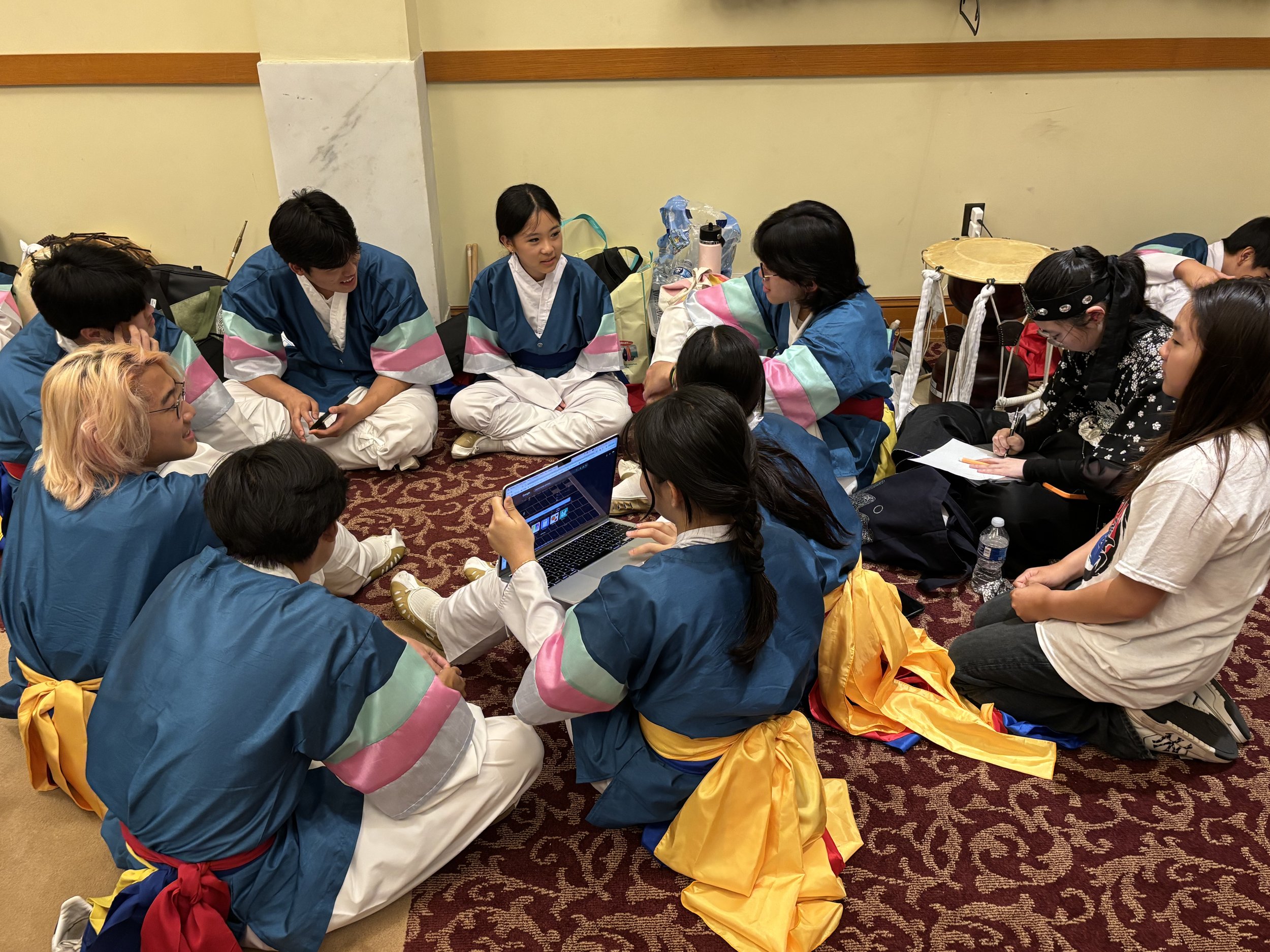
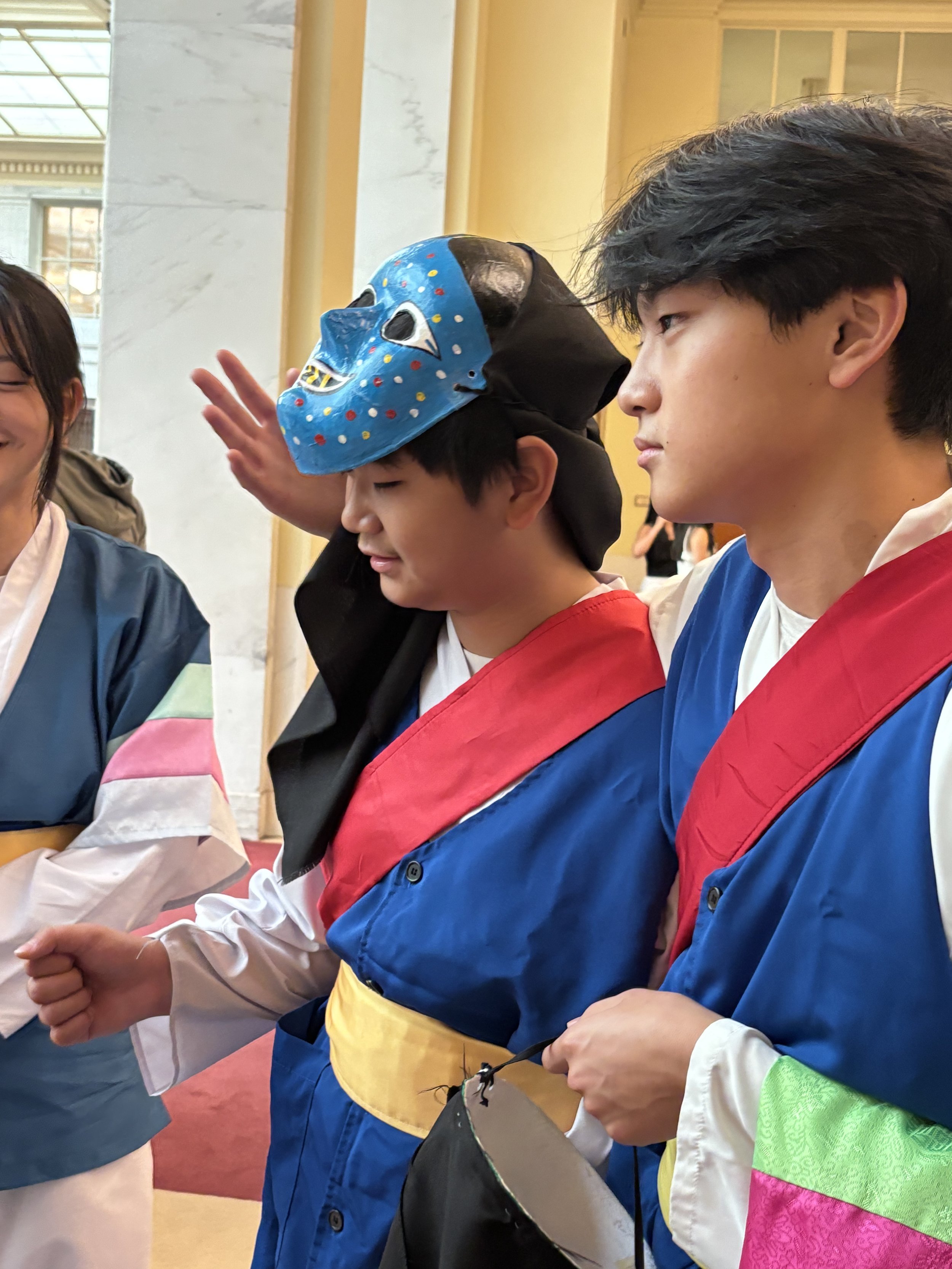
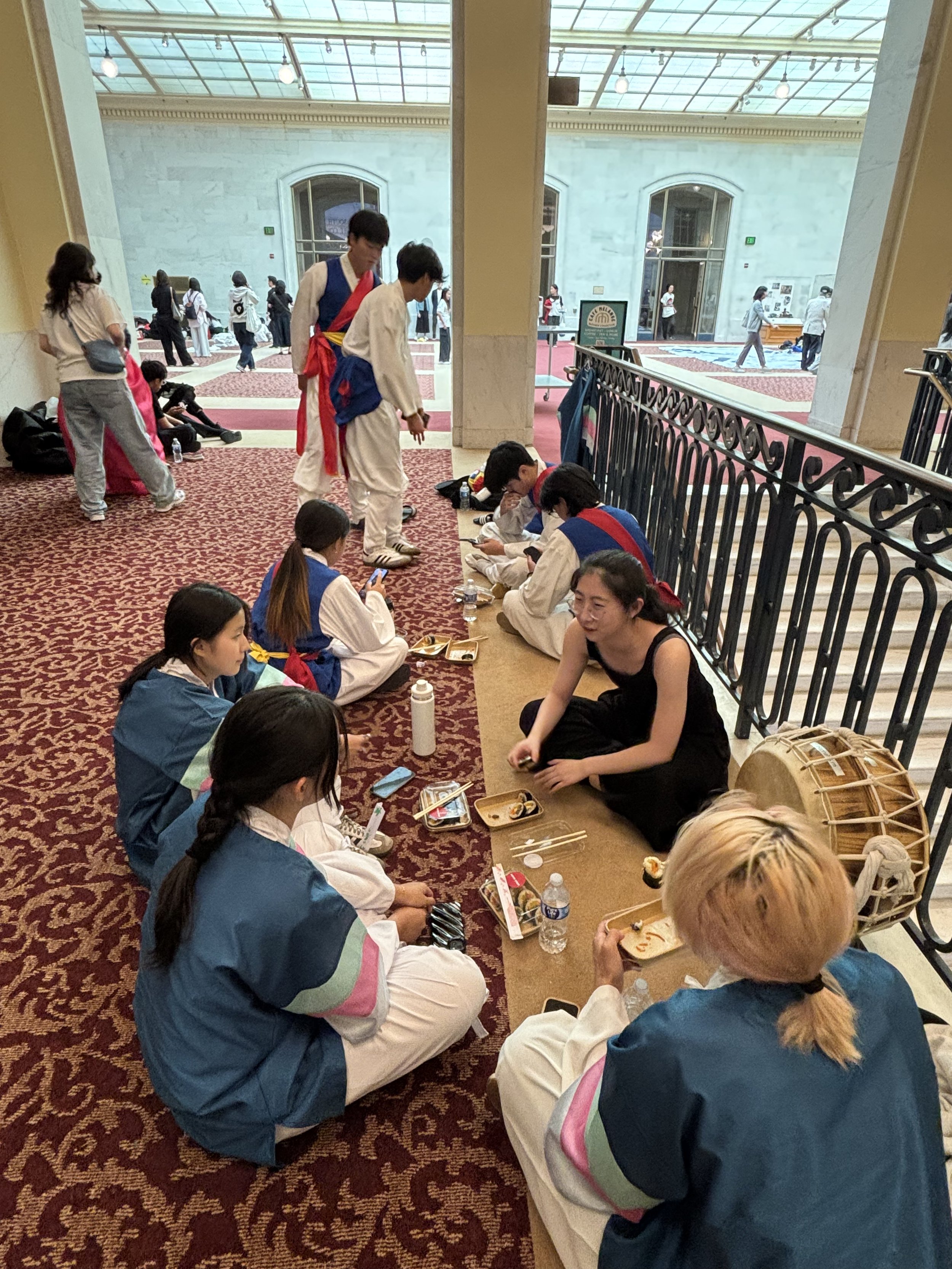
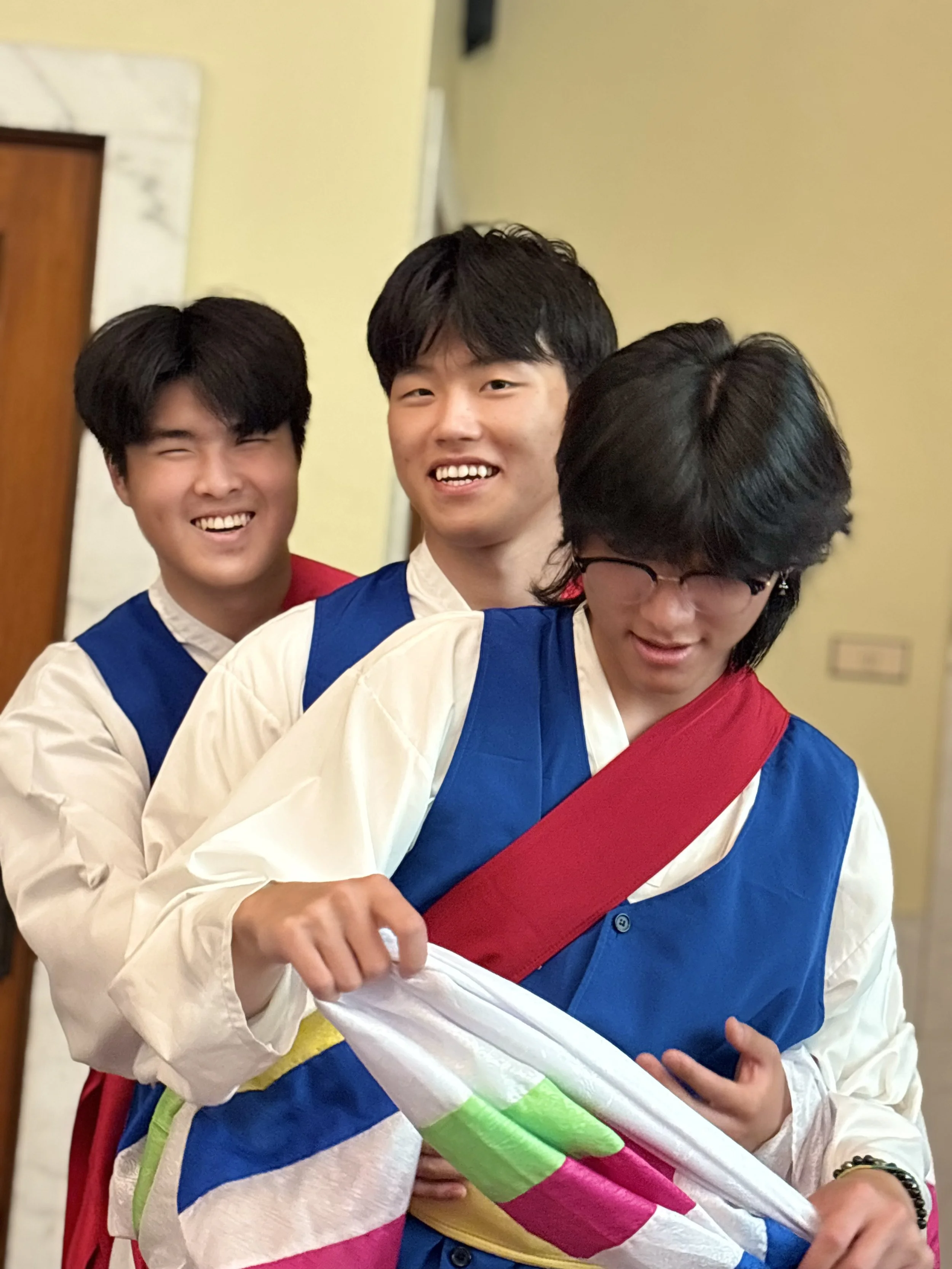
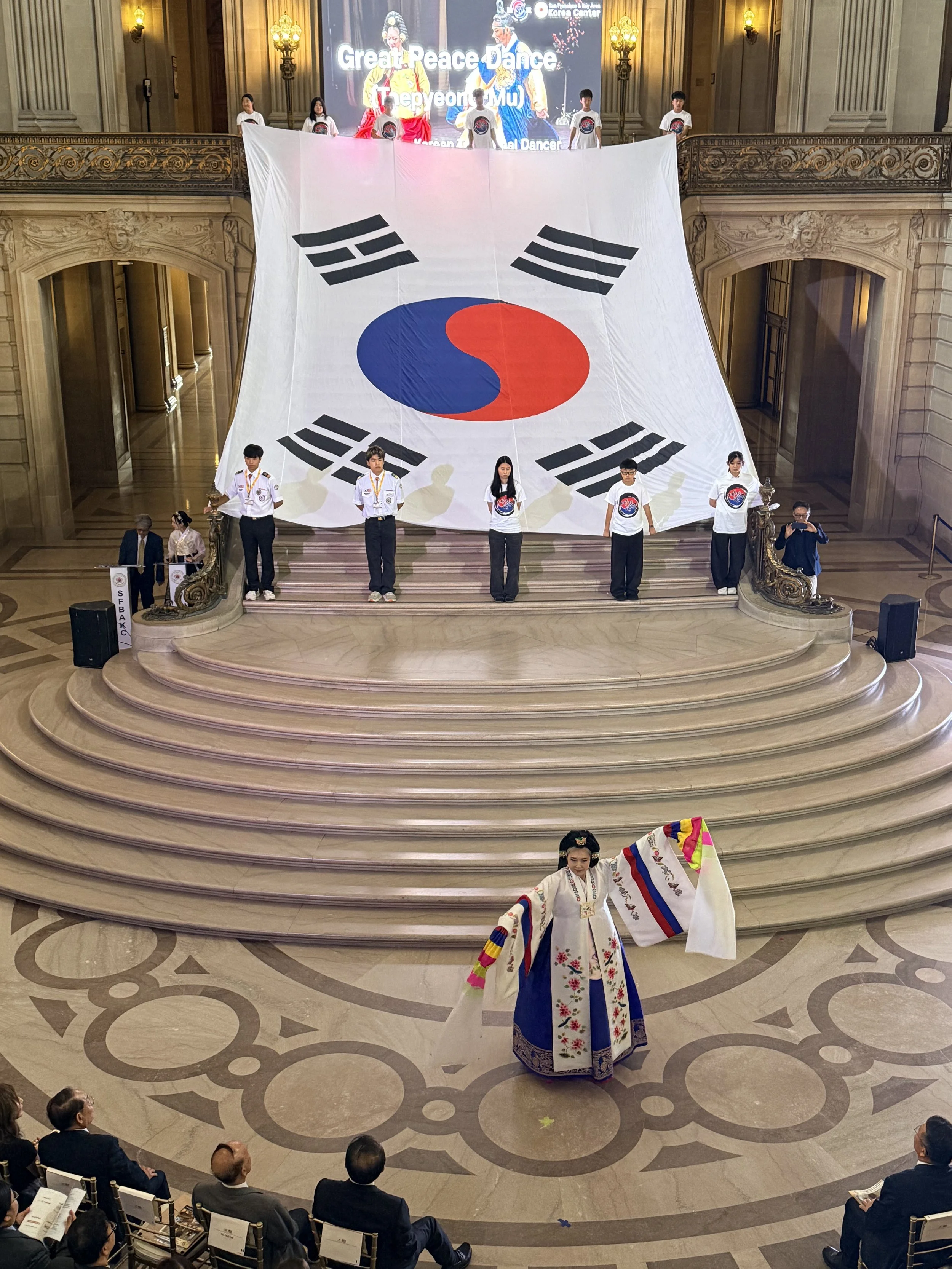
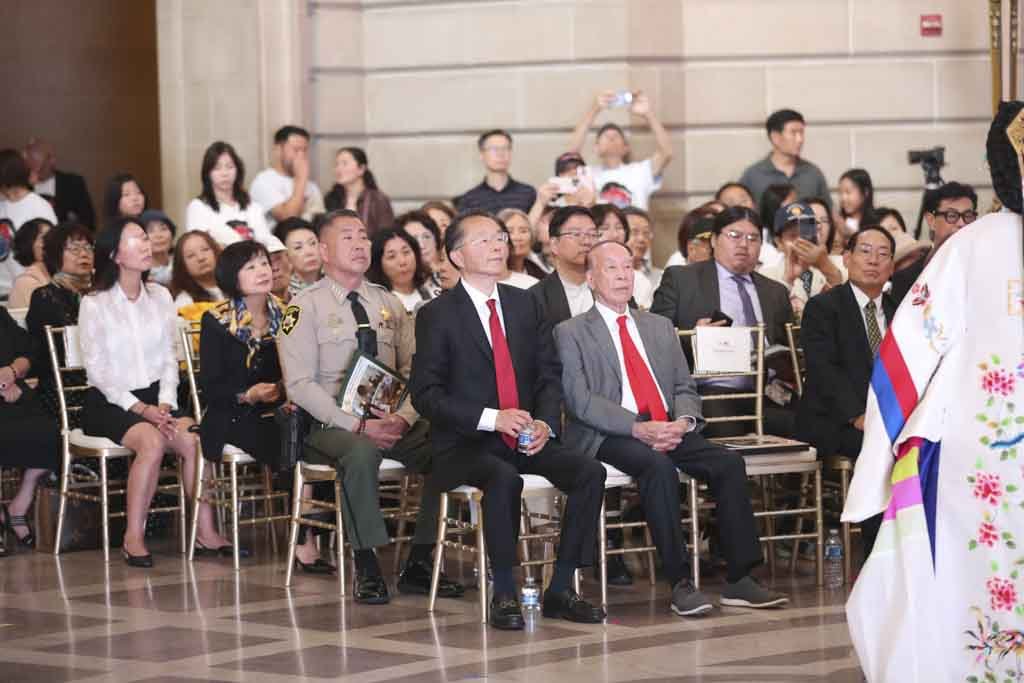
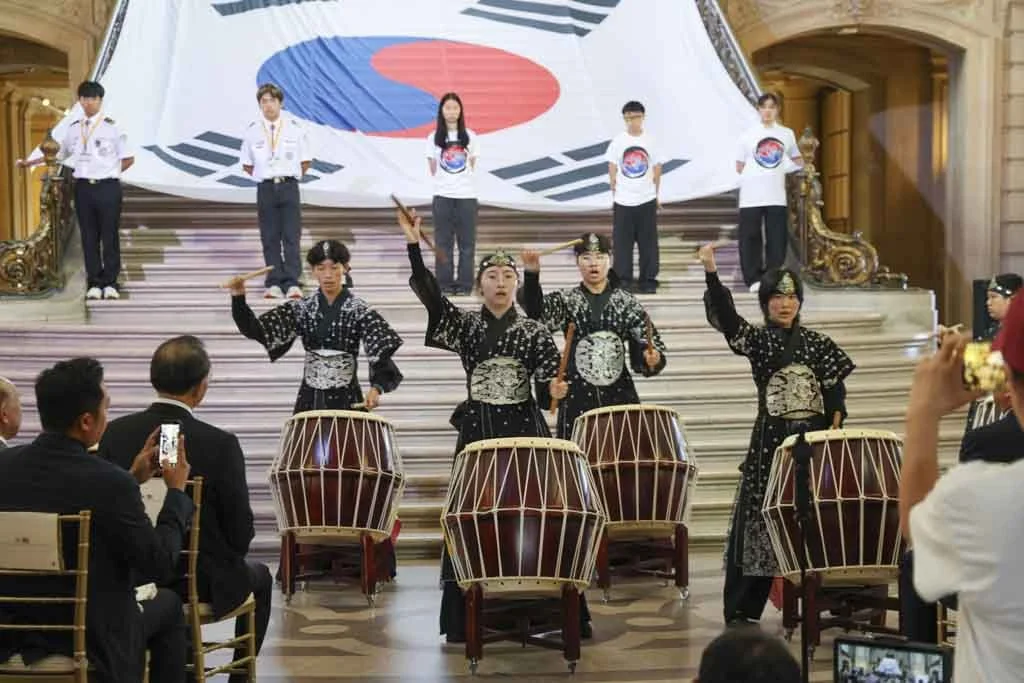
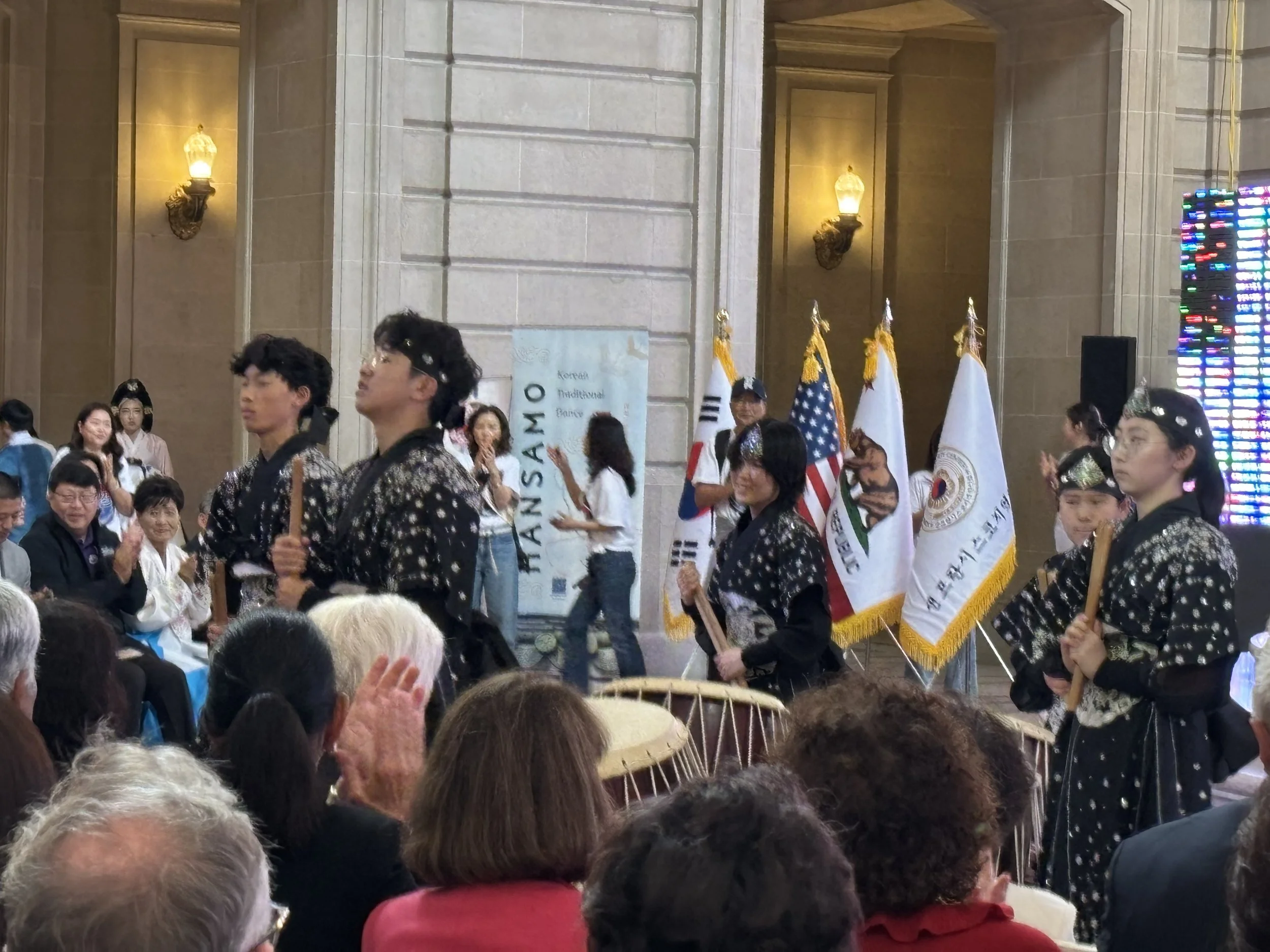
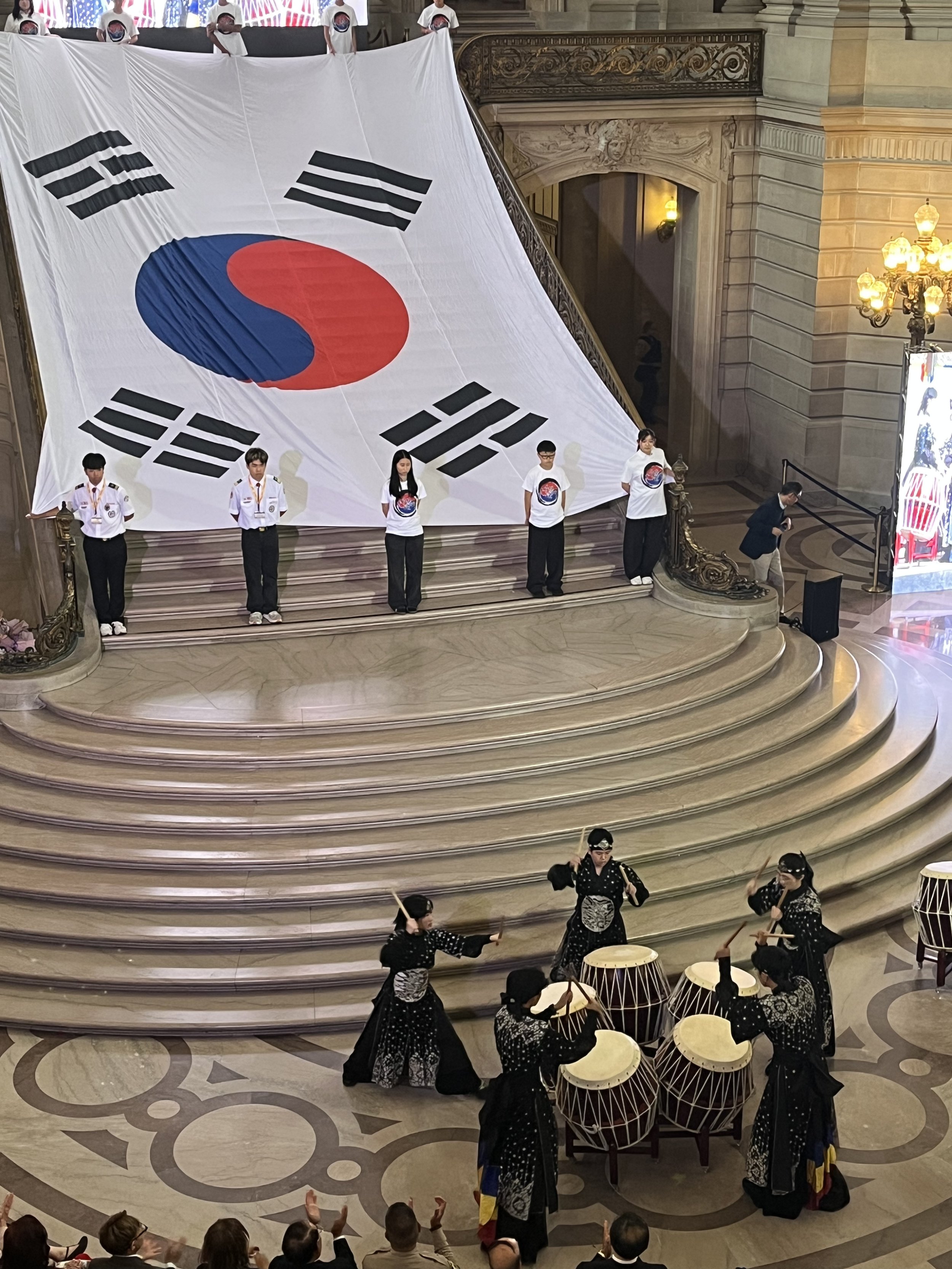
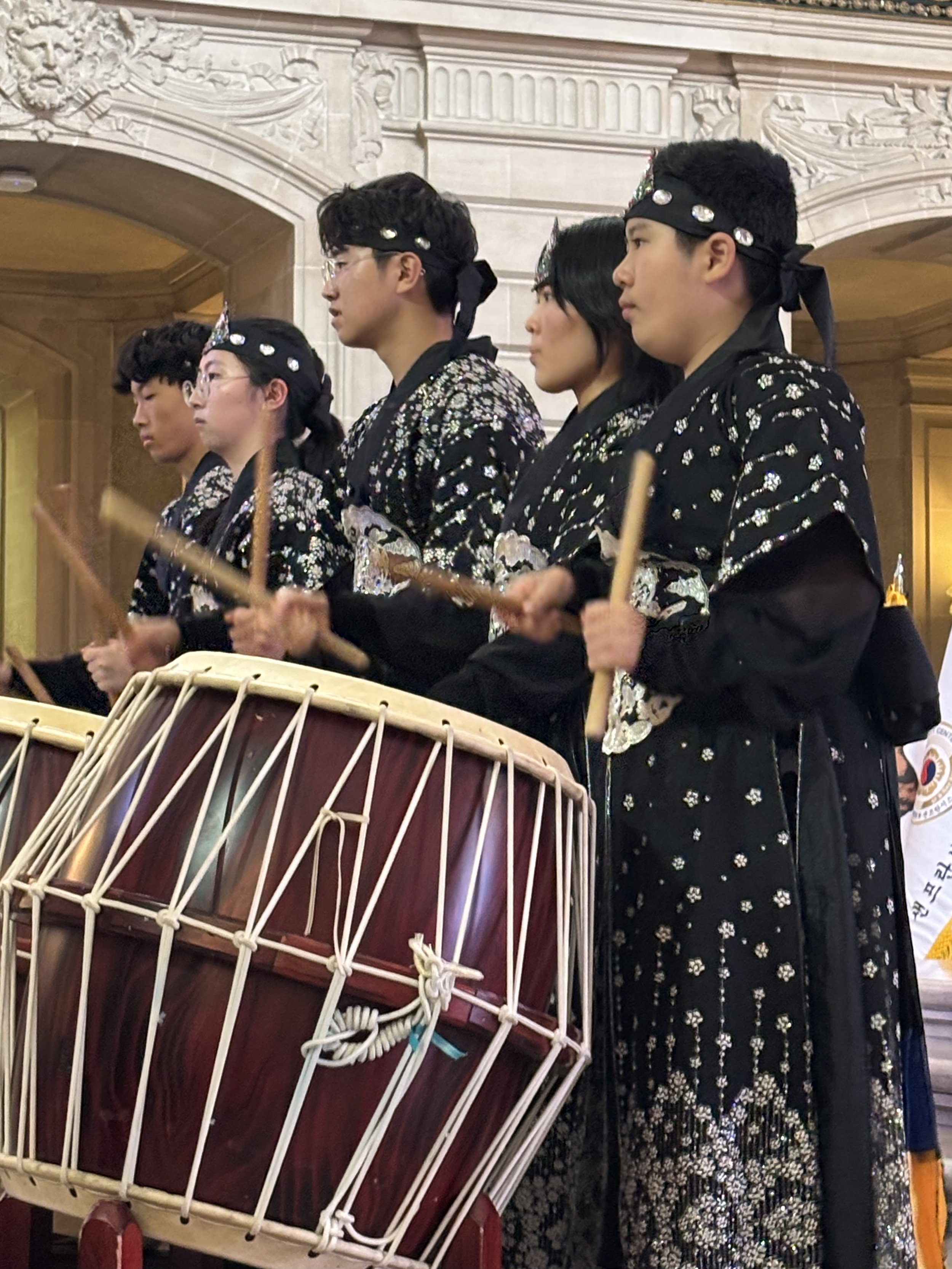
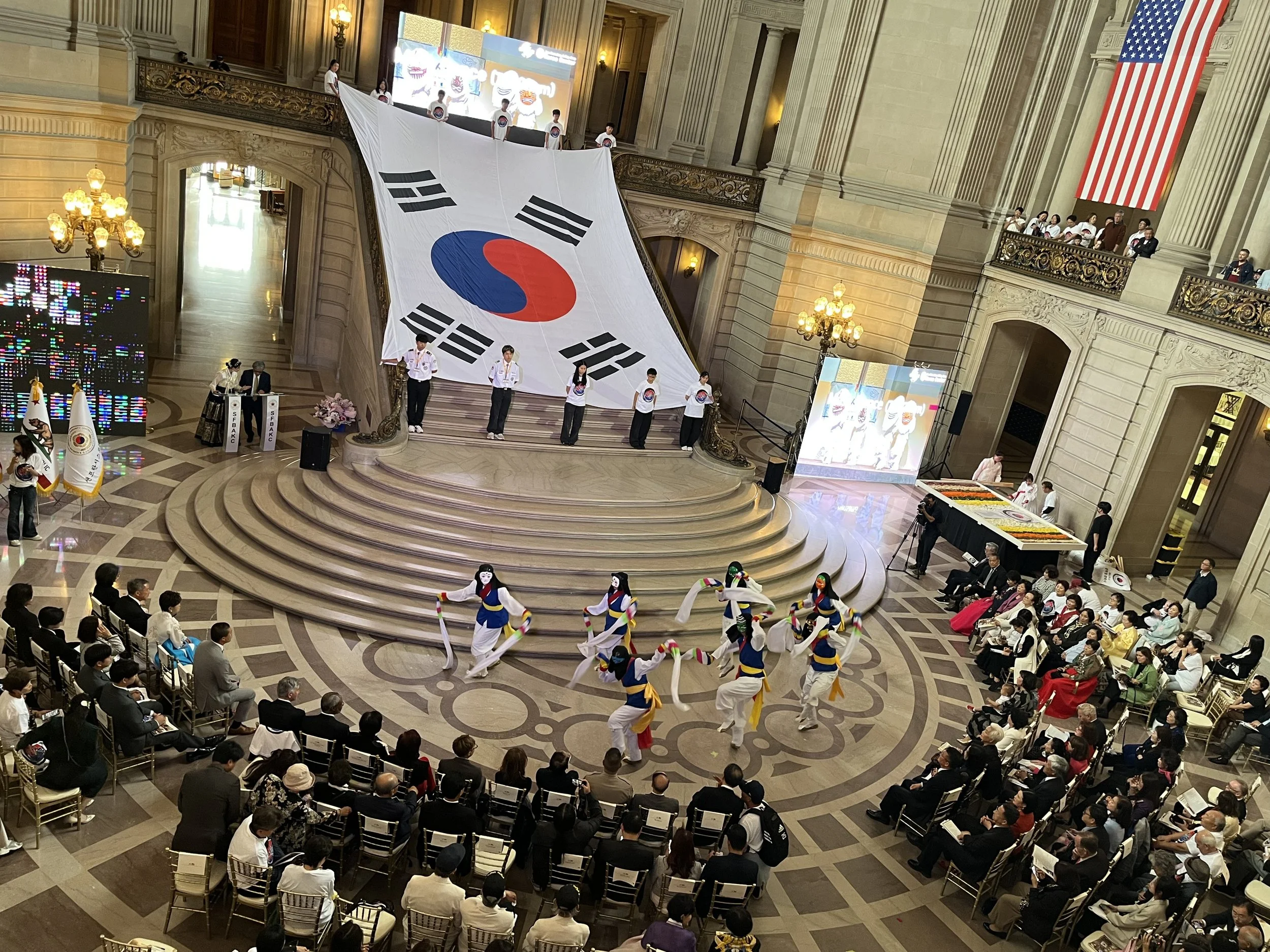
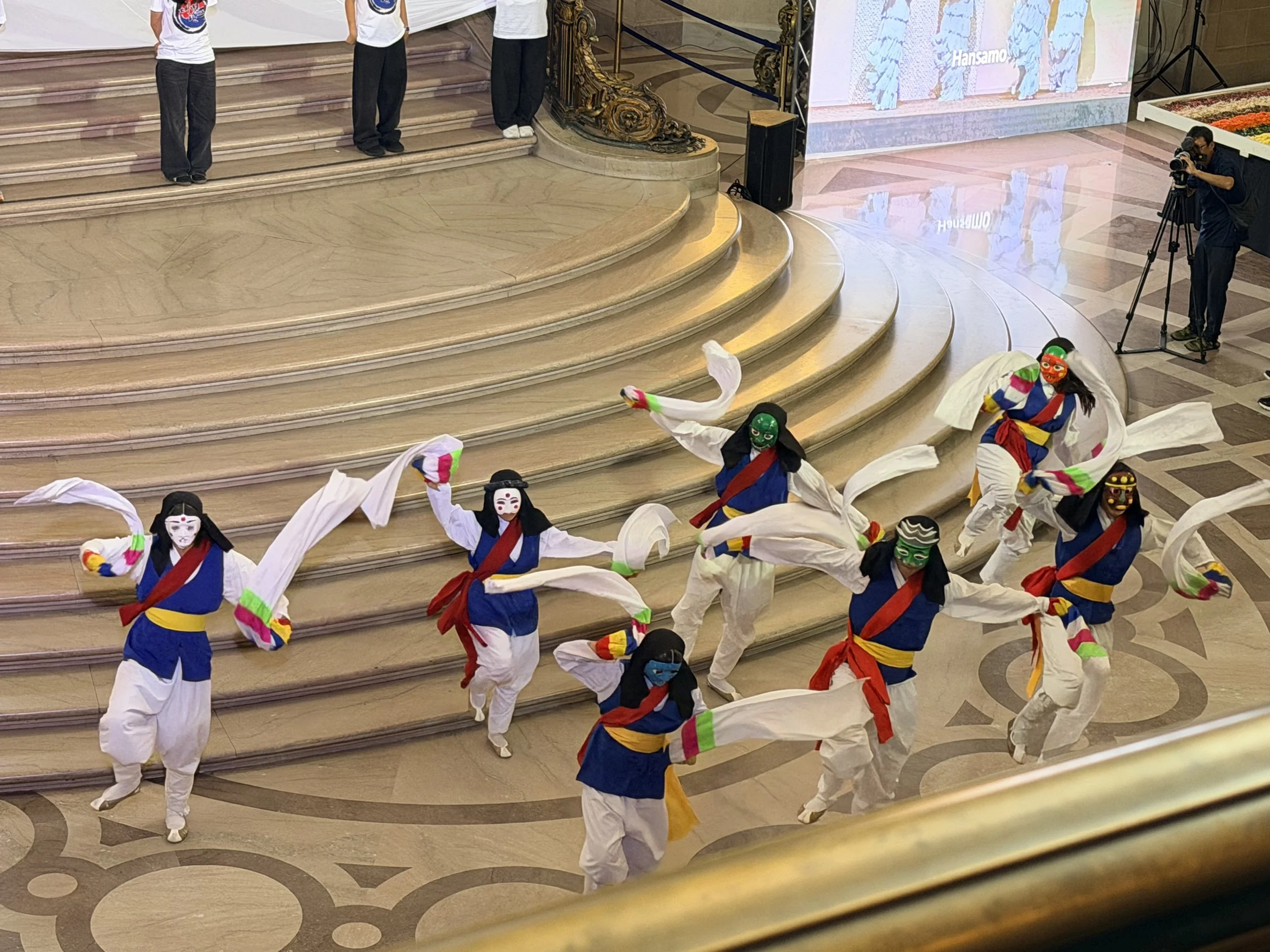
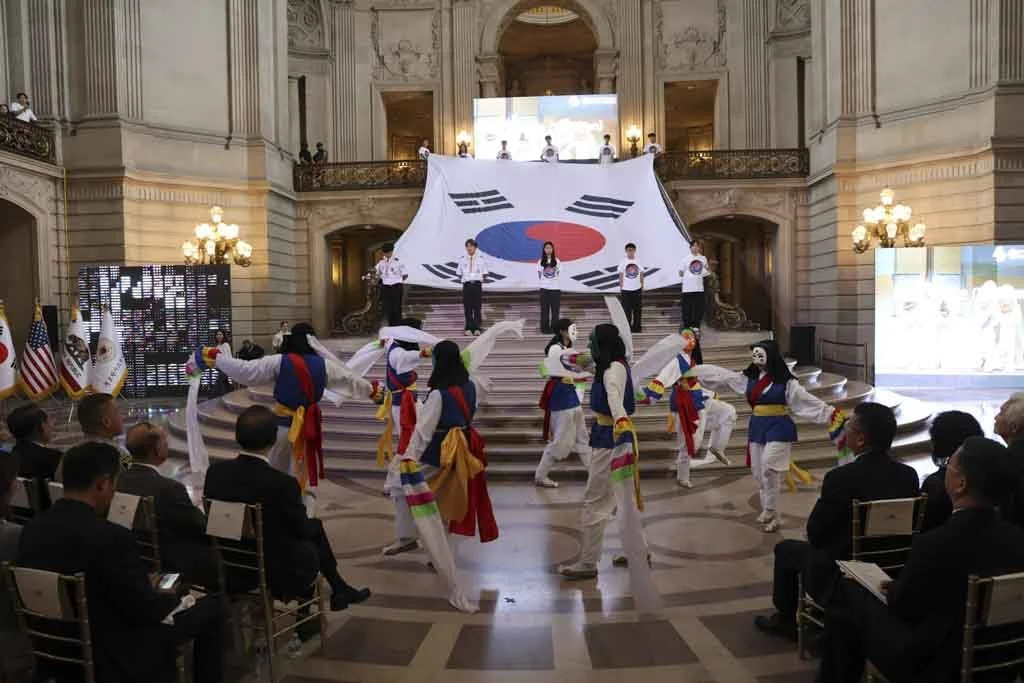
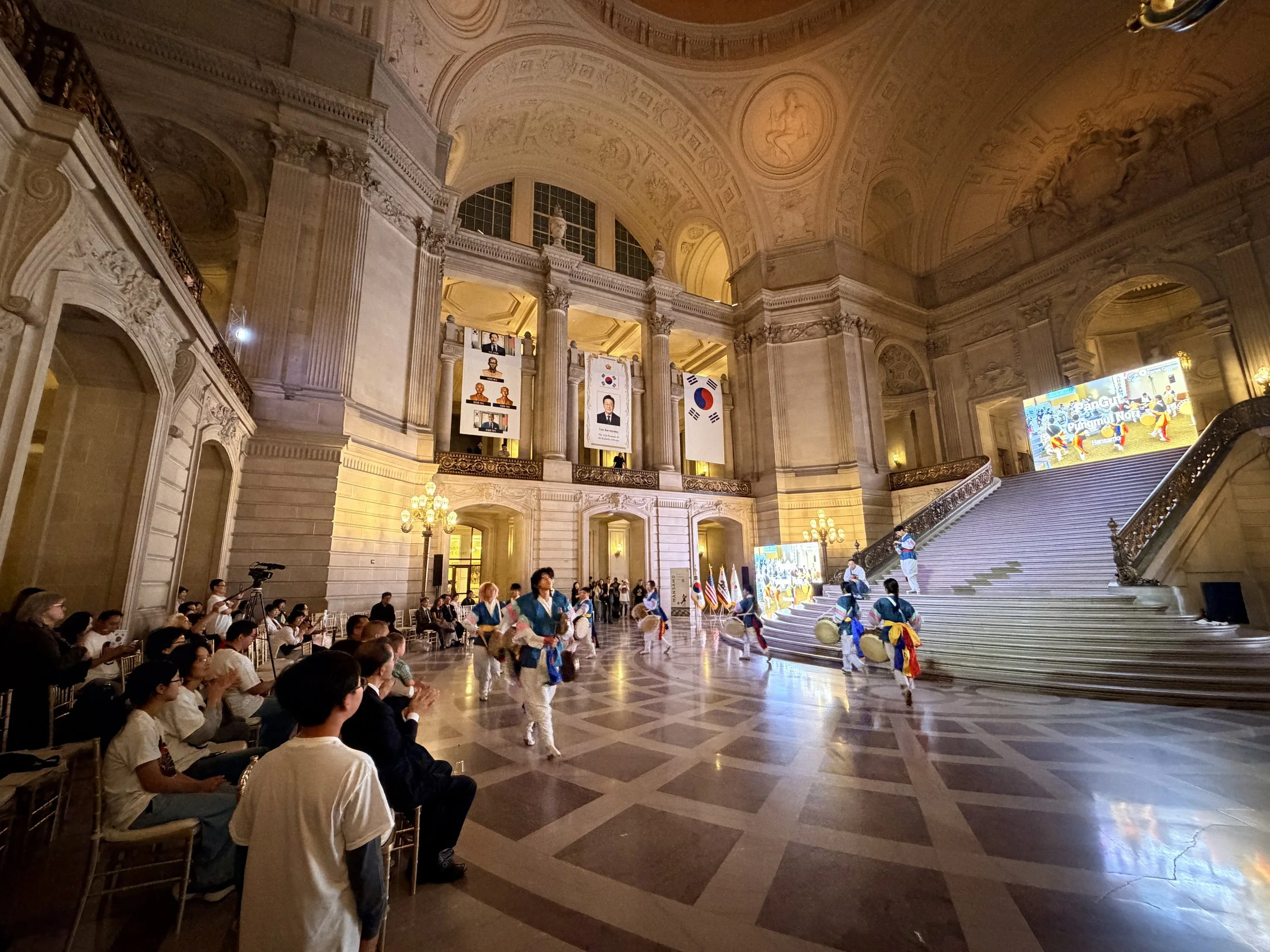
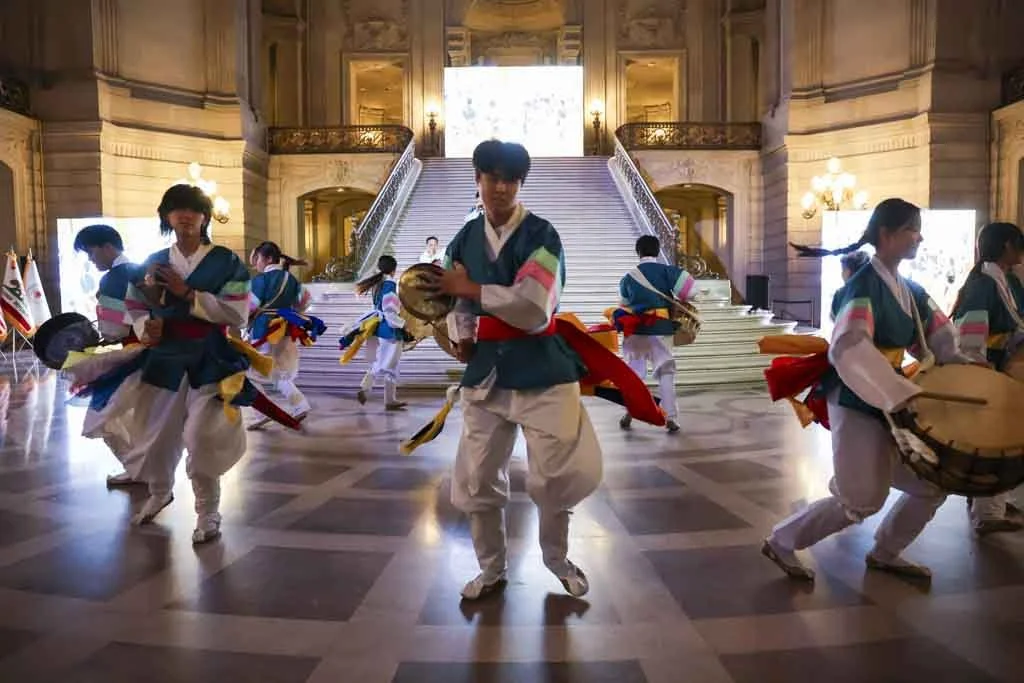
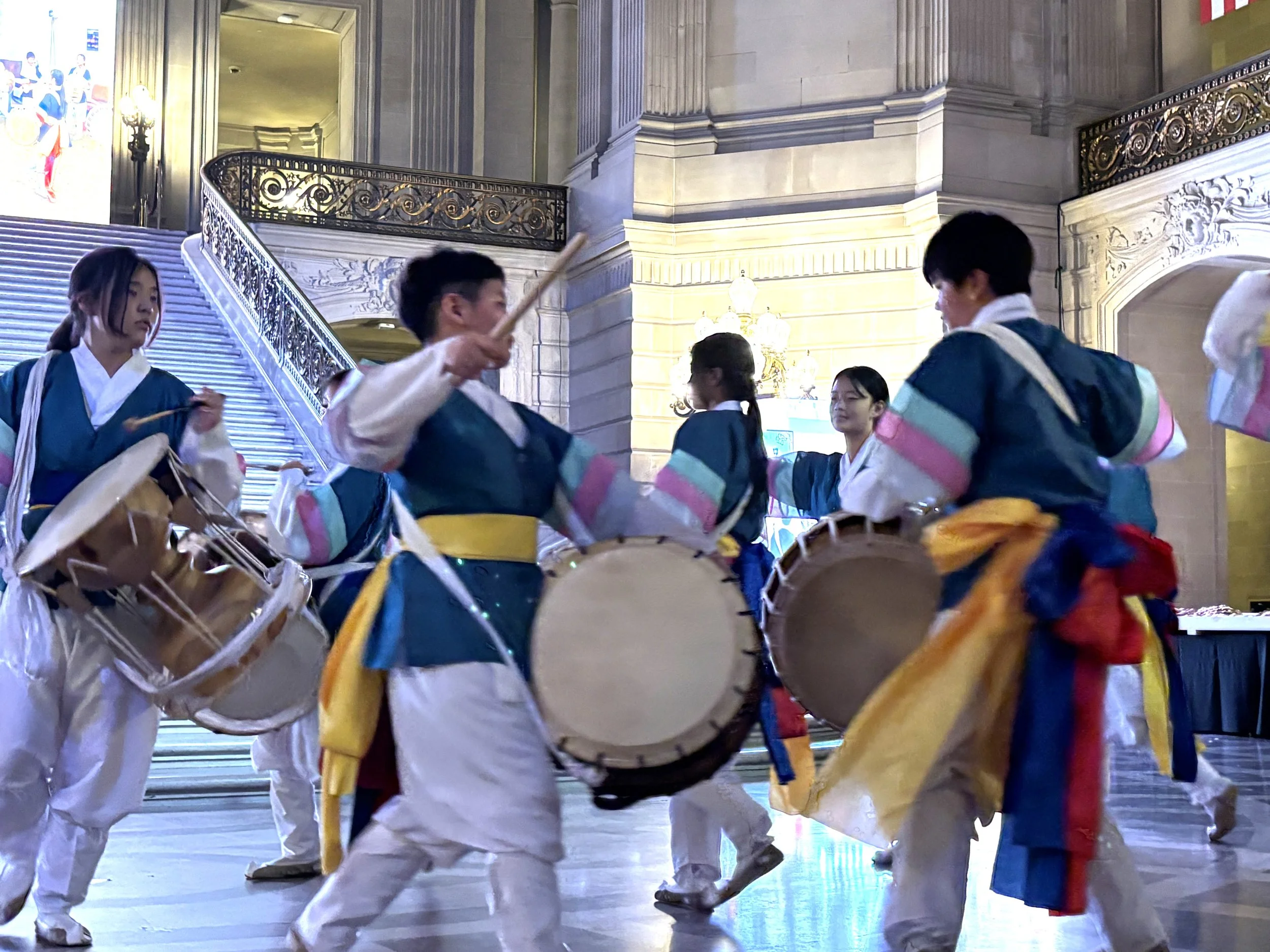
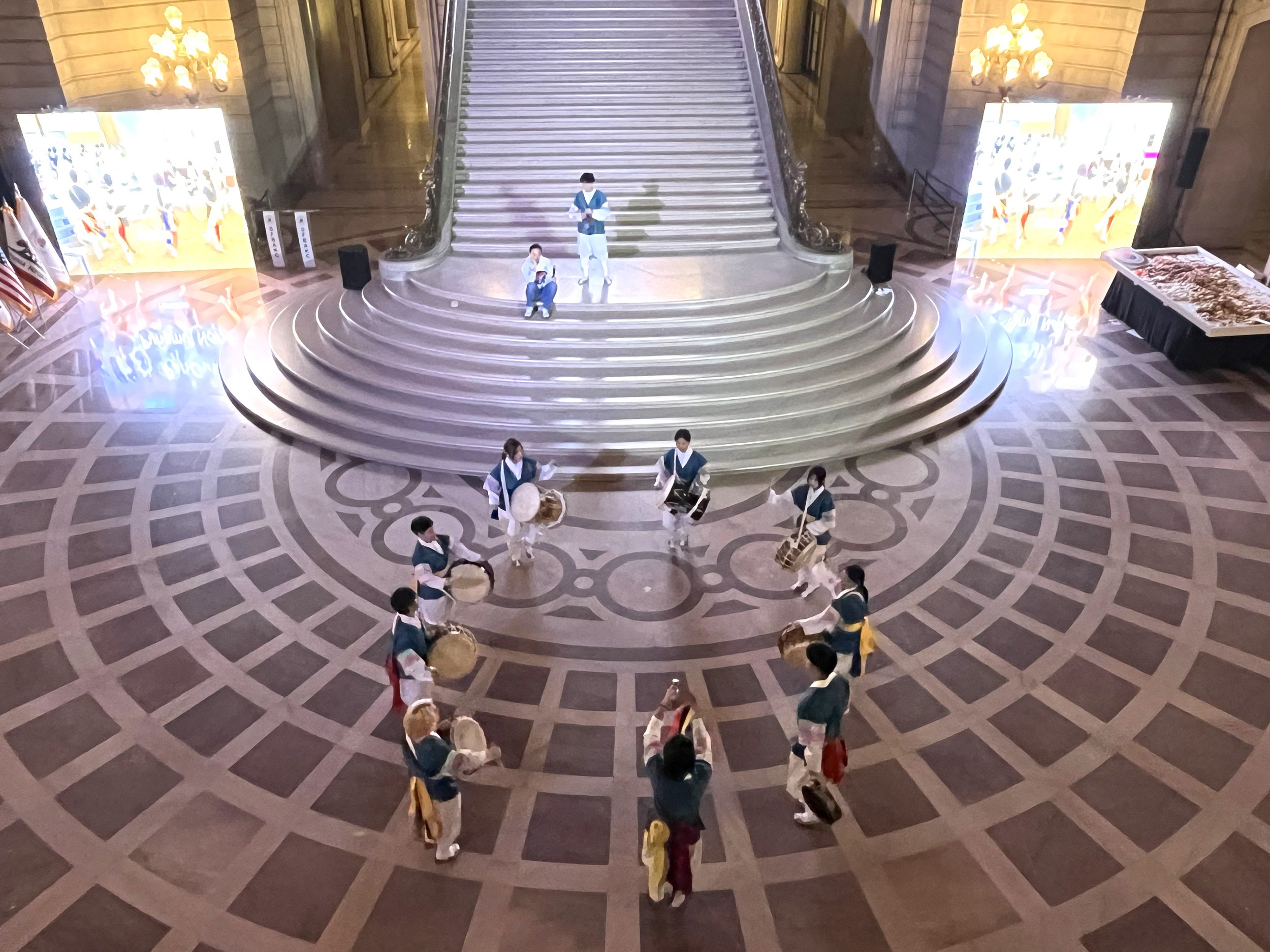
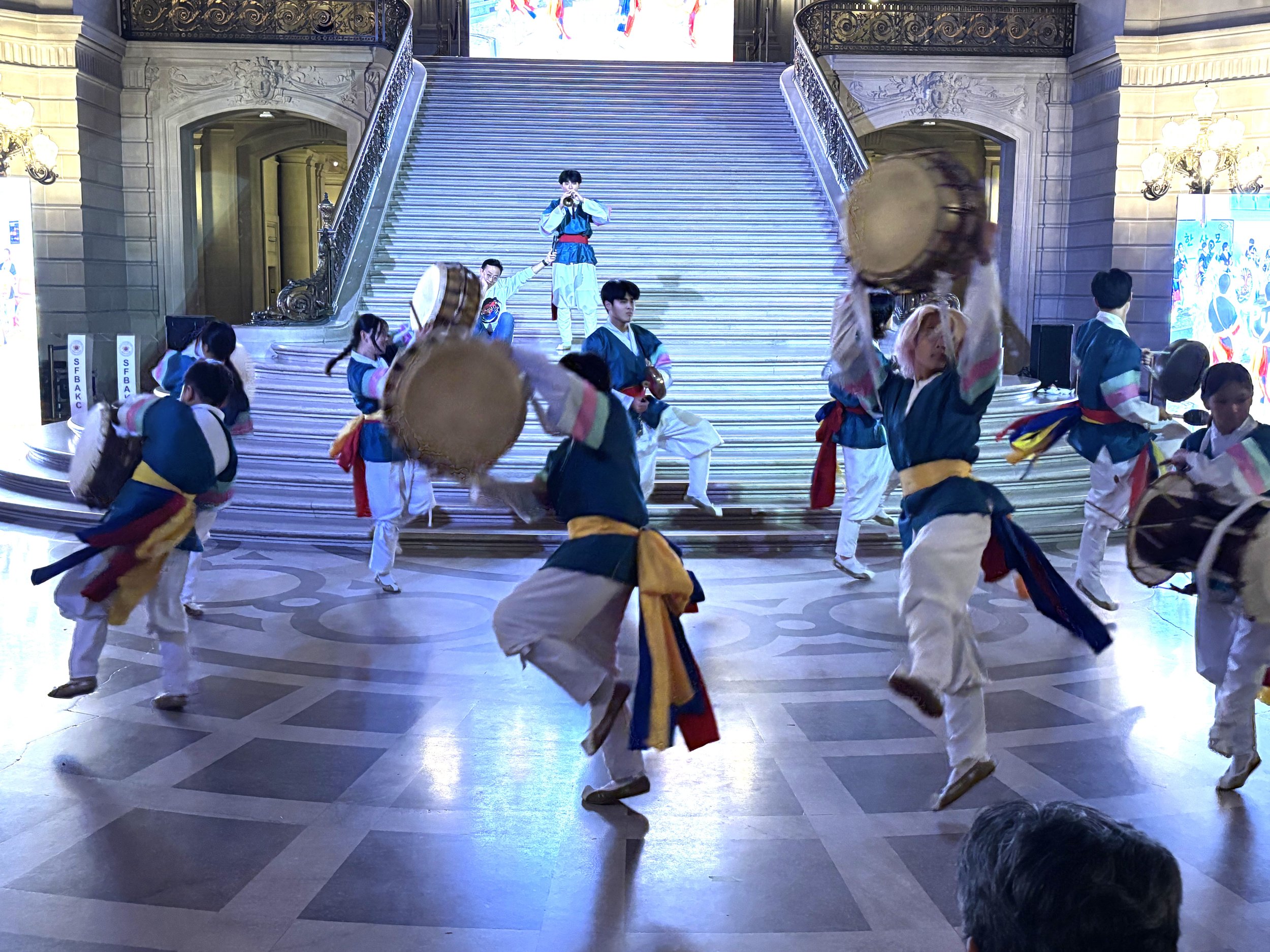
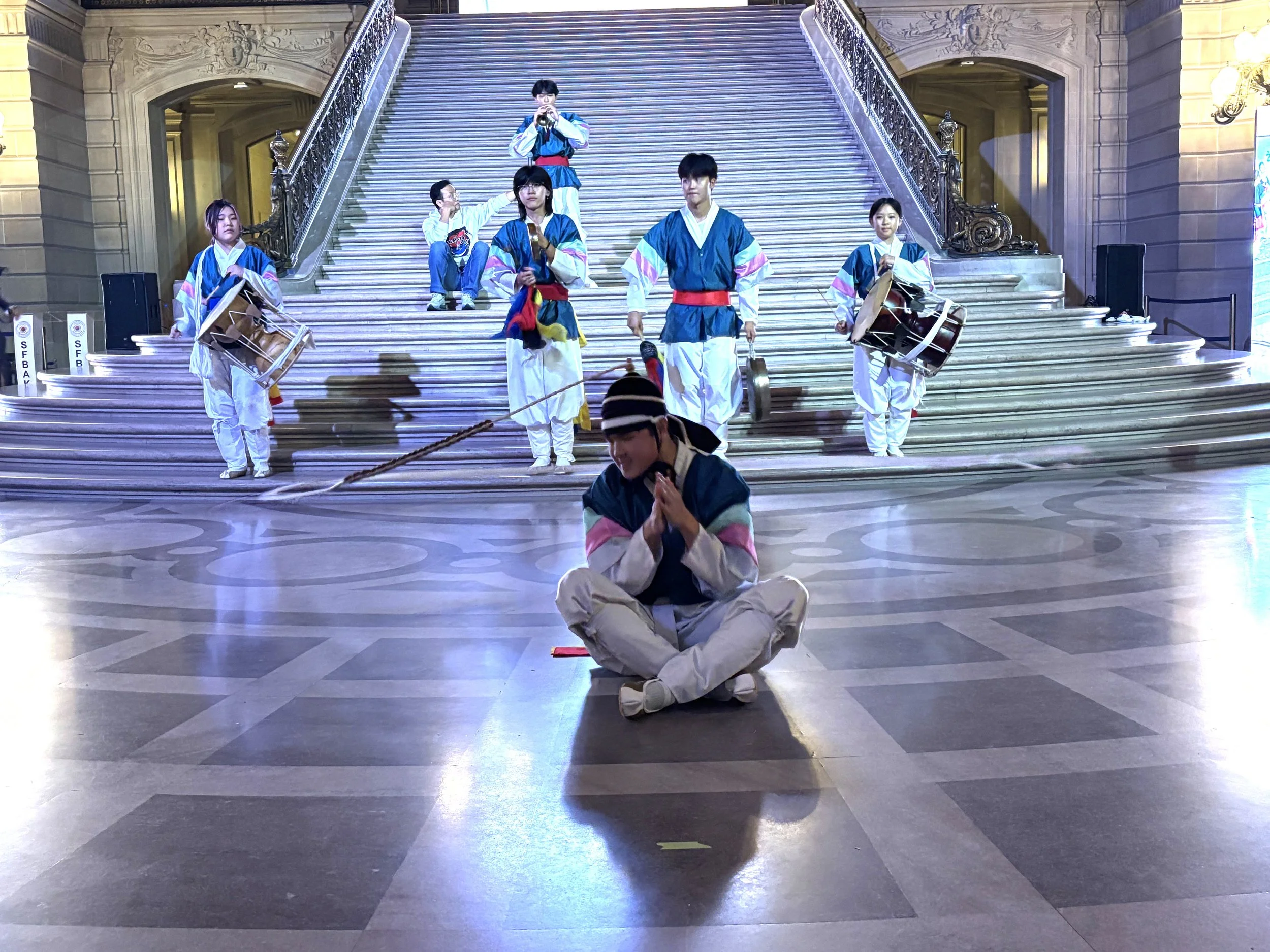
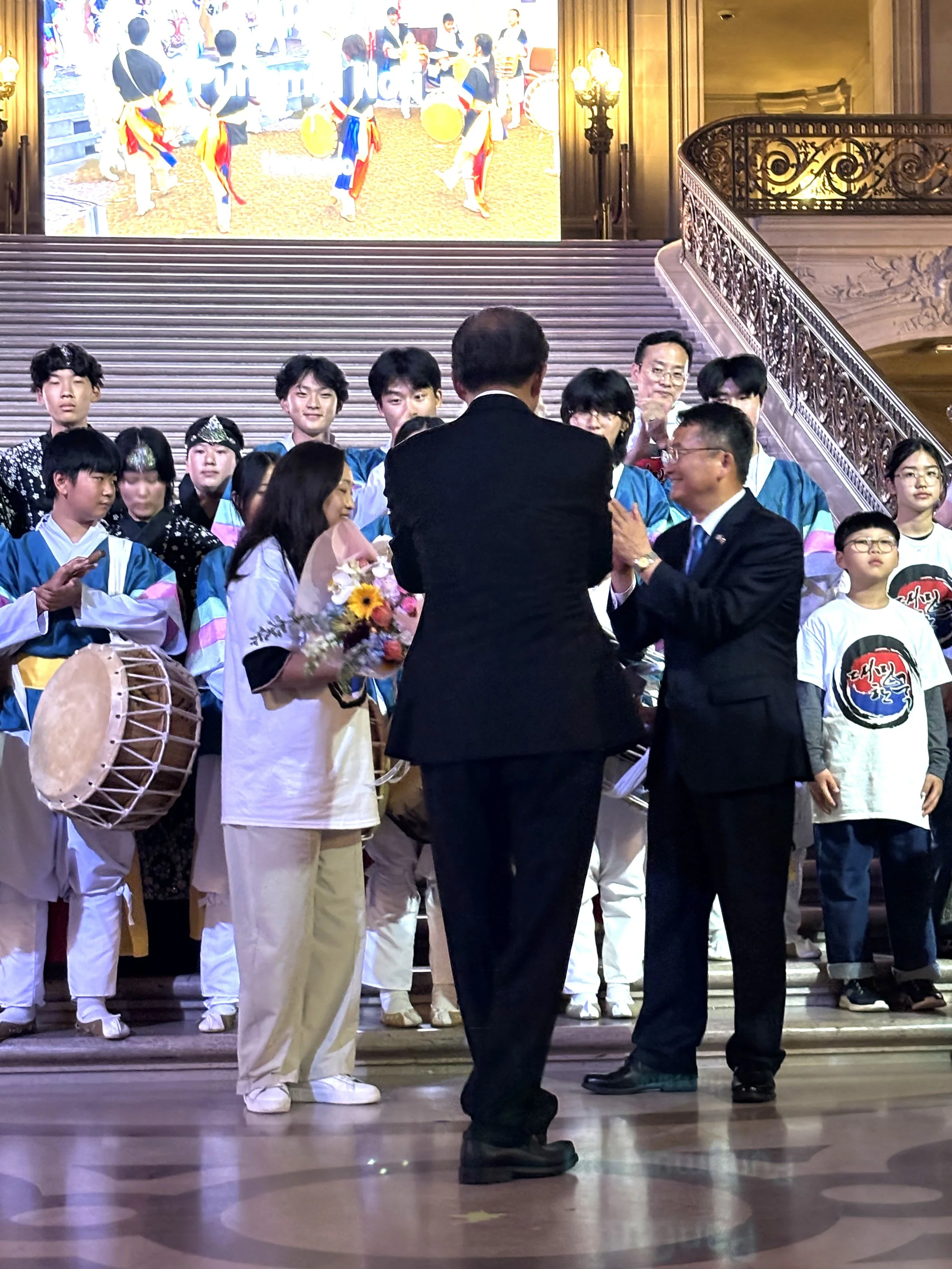
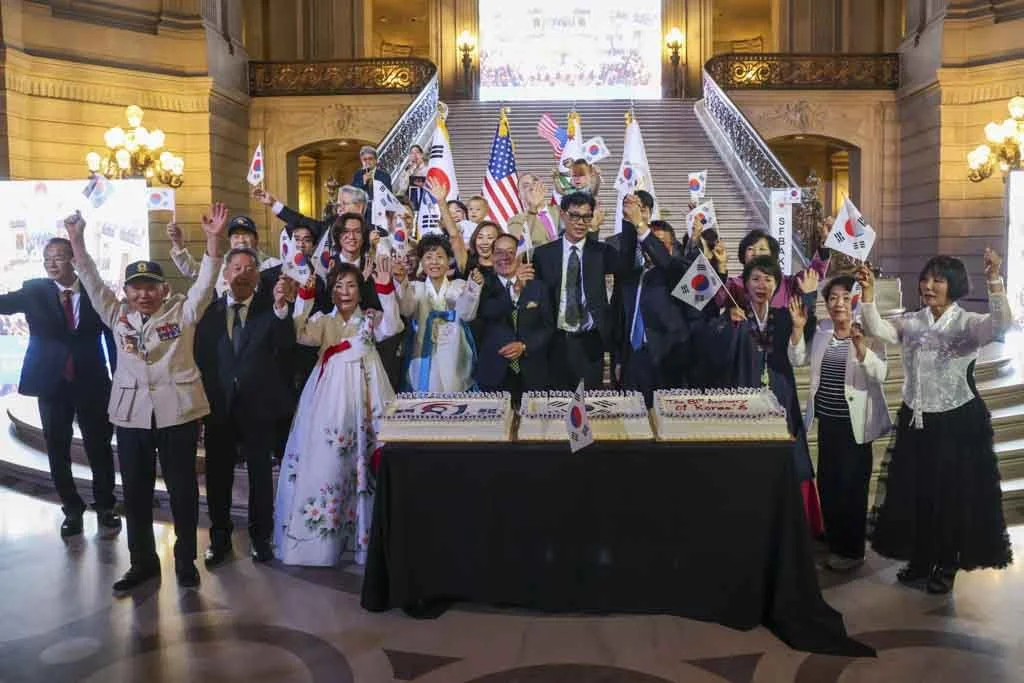
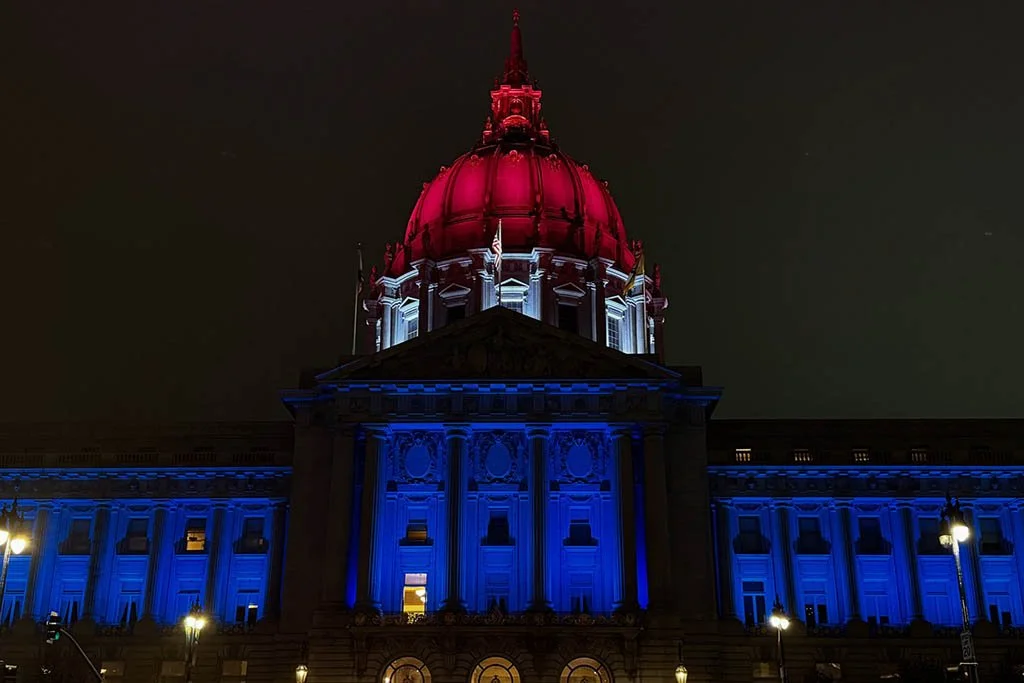
On August 15, 2026, The 81st National Liberation Day of Korea was celebrated at San Francisco City Hall, co-hosted by the San Francisco & Bay Area Korea Center, the Korean Consulate General, and approximately 80 Korean American organizations. To celebrate this historic day of joy, Hansamo members traveled to the City Hall to perform Taepyeongmu (Teacher Dayeon Lee), Nanta, Talchum (mask dance), and Pangut.
Liberation Day holds deep historical significance. Following an unfair treaty imposed by violence and coercion in 1910, Japan colonized Korea for 35 years until its defeat in World War II in 1945. During this period, Japan exploited Korea's resources and attempted to erase Korean national identity and culture to secure dominance over Russia, China, and Southeast Asia.
Despite severe oppression, Koreans never stopped fighting for independence. Following the March 1st Movement in 1919, the Provisional Government of the Republic of Korea was established in Shanghai, China, declaring a democratic republic. Even as Japanese exploitation intensified in the 1930s, the independence movement grew. By the time of liberation in 1945, the Provisional Government was actively conducting diplomatic, military, and administrative operations.
The history of this era carries immense sorrow and Han (deep grief). Young boys were drafted into the Japanese military to serve as human shields. Young girls were abducted or deceived into sexual slavery. Innumerable Korean men and women were forced into hard labor, such as mining coal at Hashima Island for the war effort, where many died under grueling conditions. Students were forced to speak Japanese and taught that their own culture was inferior. Countless Koreans suffered brutal beatings by Japanese police with no way to seek justice.
Given this painful history, liberation on August 15, 1945, brought indescribable joy to the Korean people. It was a profound honor for over 30 Hansamo members to illuminate this 81st anniversary through traditional Korean culture. The commemorative ceremony was quite extensive, featuring over 20 descendants of independence activists alongside prominent American officials who gathered to share messages of celebration and unity.
The journey began before 1:00 PM when the team boarded a bus to San Francisco, and it was nearly 11:00 PM by the time everyone returned to San Ramon. We extend our deepest gratitude to the hosts for organizing this meaningful ceremony and inviting Hansamo. This event provided a valuable opportunity for our students to reflect deeply on the proud history and the bright future of Korea.